Shifting Player Habits in Sweden's Regulated Betting Scene: Blending Athletic Wagers With Digital Table Experiences on Handheld Devices
Skriven av Dana Schmitz · 2026-11-16
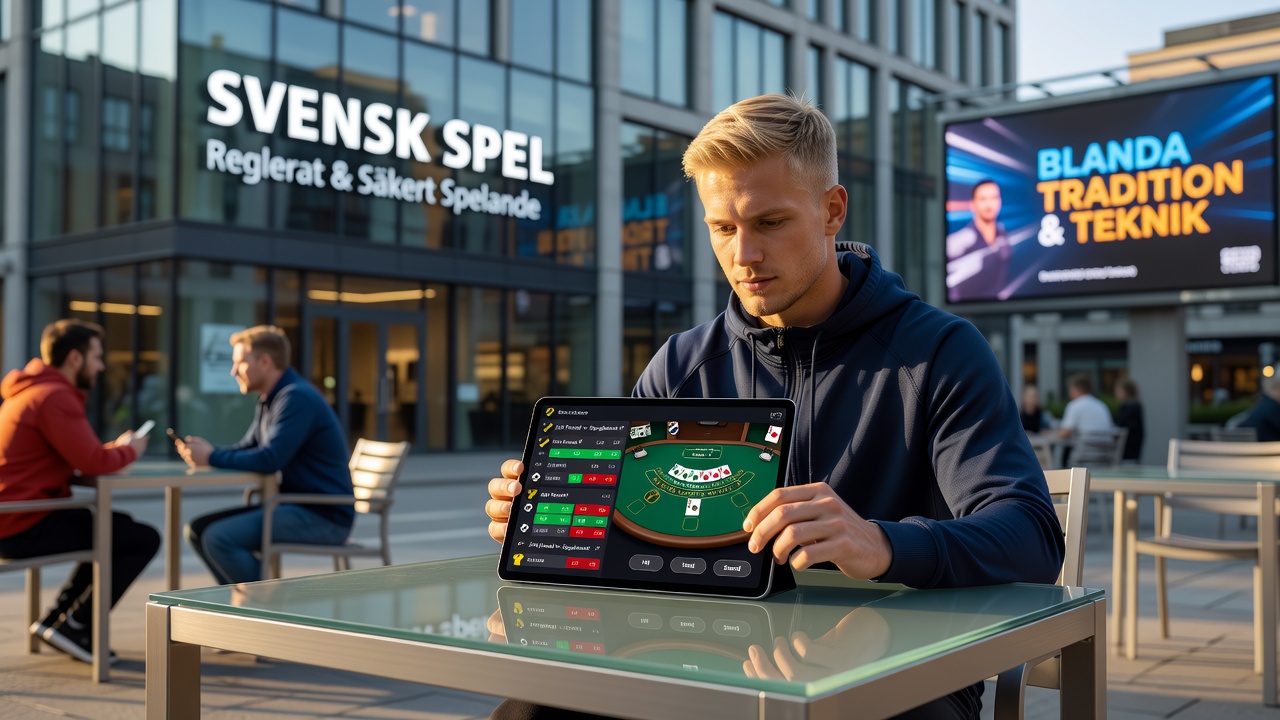
Shifting Player Habits in Sweden's Regulated Betting Scene: Blending Athletic Wagers With Digital Table Experiences on Handheld Devices
Sweden's regulated betting market continues to show clear patterns of change as participants integrate athletic wagers with digital table game sessions on smartphones and tablets, and these combined activities have expanded steadily under oversight from the Swedish Gambling Authority.
Current Market Overview and Mobile Integration
Data from Spelinspektionen reports released in November 2026 indicate rising participation rates in mobile formats that allow users to place sports bets alongside sessions at virtual blackjack or roulette tables, while the authority tracks these trends through licensed operator submissions. Licensed platforms must comply with national rules that separate sports betting products from casino offerings yet permit seamless navigation between the two on the same device, and this structure has supported the observed shift in how people allocate their time across activities.
Industry figures reveal that mobile devices now account for the majority of engagement hours in the Swedish market, with operators reporting higher session durations when sports events coincide with table game availability. Those who monitor usage patterns note that users often switch between live odds updates and digital dealer tables during the same login period, creating blended routines that differ from earlier single-activity approaches.
Regulatory Framework Supporting Combined Activities
National licensing requirements established after the 2019 re-regulation continue to shape these habits by mandating strict age verification and transaction monitoring across all product types, and Spelinspektionen enforces these standards uniformly whether participants focus on athletic events or table experiences. Operators receive approval only when their systems maintain clear separation of funds and responsible gaming tools, yet the same applications can host both categories without additional barriers.
Player Behavior Data and Device Preferences
Research conducted by academic institutions in collaboration with European gaming associations shows that handheld usage peaks during evening hours when multiple sports fixtures overlap with table game promotions, and participants cite convenience as the primary driver for keeping both options active on one screen. Figures released by the authority document a measurable increase in accounts that activate both sports and casino features within a single month, with the trend accelerating after software updates improved cross-category navigation.
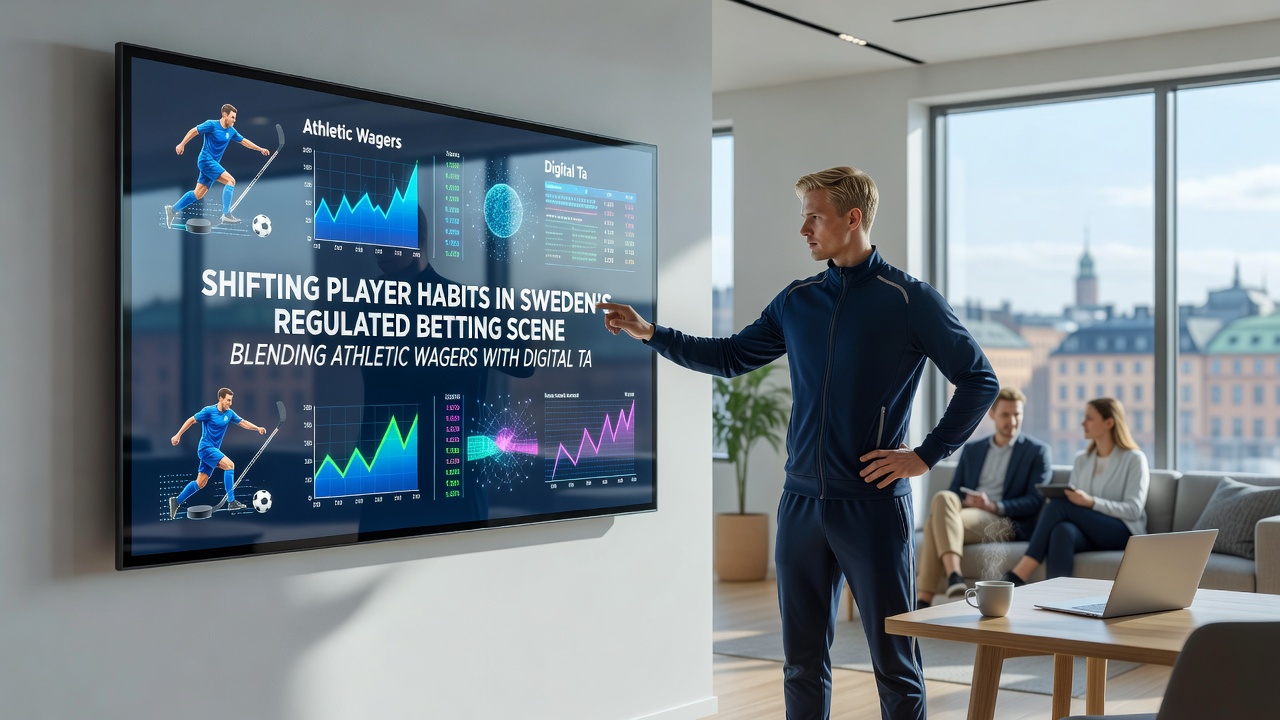
Technology and Platform Adaptations
Platform developers have responded to these habits by optimizing interfaces for quick toggling between live sports markets and digital table environments, and testing conducted by operators demonstrates reduced friction when users move from placing a wager on a football match to joining a roulette wheel mid-event. Security protocols required by regulation ensure that each transition maintains the same verification standards, which helps sustain trust while enabling the blended sessions that have become more common.
Observers tracking operator reports note that live streaming integration for sports events now frequently appears alongside table game lobbies, allowing participants to monitor athletic outcomes while engaging in digital dealer interactions on the same handheld device. This setup aligns with the authority's emphasis on transparent product presentation and has contributed to extended engagement periods documented in 2026 statistics.
Emerging Patterns in November 2026
Updates published by Spelinspektionen in November 2026 highlight continued growth in accounts that combine athletic wagers with table game participation, particularly among users aged 25 to 44 who access services exclusively through mobile networks. The data further shows that responsible gaming interventions activate at similar rates across both product categories, suggesting consistent player awareness regardless of the specific blend of activities chosen.
Industry organizations such as the European Gaming and Betting Association have compiled regional comparisons indicating that Sweden's unified licensing model facilitates these hybrid habits more readily than fragmented regulatory systems elsewhere, and the authority continues to collect operator metrics that capture these cross-category movements.
Conclusion
Sweden's regulated environment demonstrates measurable evolution in how participants structure their betting and gaming time on handheld devices, with sports wagers and digital table experiences increasingly appearing within the same sessions. Authority data and operator reporting through late 2026 confirm these patterns while maintaining the oversight framework that governs all licensed activities. Future statistics will likely track whether these blended approaches stabilize or shift further under ongoing regulatory review.