Regulatory Shifts Reshaping Transaction Security for Table Games and Wagering Hybrids
Skriven av Dana Schmitz · 2026-09-07

Regulatory Shifts Reshaping Transaction Security for Table Games and Wagering Hybrids
Regulatory bodies across multiple jurisdictions have introduced new requirements that directly affect how operators handle payments and data flows in table games along with their hybrid wagering formats, and these adjustments have created layered compliance demands that blend traditional casino oversight with digital transaction rules. In practice this means operators must now integrate stricter authentication protocols at the point of play while maintaining seamless experiences for games such as blackjack, roulette and poker that increasingly merge with real-time betting interfaces.
Key Drivers Behind the Regulatory Updates
Data from industry reports shows that transaction volumes in hybrid table game environments grew substantially between 2023 and 2025, prompting agencies to focus on anti-money laundering controls and payment traceability, whereas earlier frameworks treated these products more like standalone casino offerings. Observers note that the convergence of live dealer streams with mobile wagering accounts has blurred lines between in-person and remote activity, so regulators have responded by extending existing financial intelligence requirements into these combined spaces.
One study revealed that jurisdictions in North America and parts of Asia began aligning their standards with broader financial services directives during 2025, and this alignment introduced mandatory encryption thresholds plus real-time reporting mechanisms for certain bet sizes. Those who've examined the policy documents find that the changes emphasize source-of-funds verification at multiple touchpoints rather than solely at account creation, which alters operational workflows for both land-based and online hybrid platforms.
Security Protocols for Table Games
Table game environments now face specific mandates around chip tracking systems that link physical play to digital wallets, and these systems must feed into centralized monitoring platforms that flag unusual patterns within seconds of a transaction. Research indicates that operators in regulated markets have upgraded their point-of-sale terminals to support tokenization, which replaces sensitive card details with unique identifiers that reduce exposure during high-volume betting sessions.
Experts have observed that September 2026 marks the scheduled implementation date for enhanced cross-border data sharing agreements in several regions, and this timeline affects how international players move funds between table game accounts without triggering additional review layers. The reality is that compliance teams must coordinate with payment processors to embed these protocols without interrupting game flow, since any lag can affect player retention metrics reported in quarterly filings.
Impacts on Wagering Hybrids
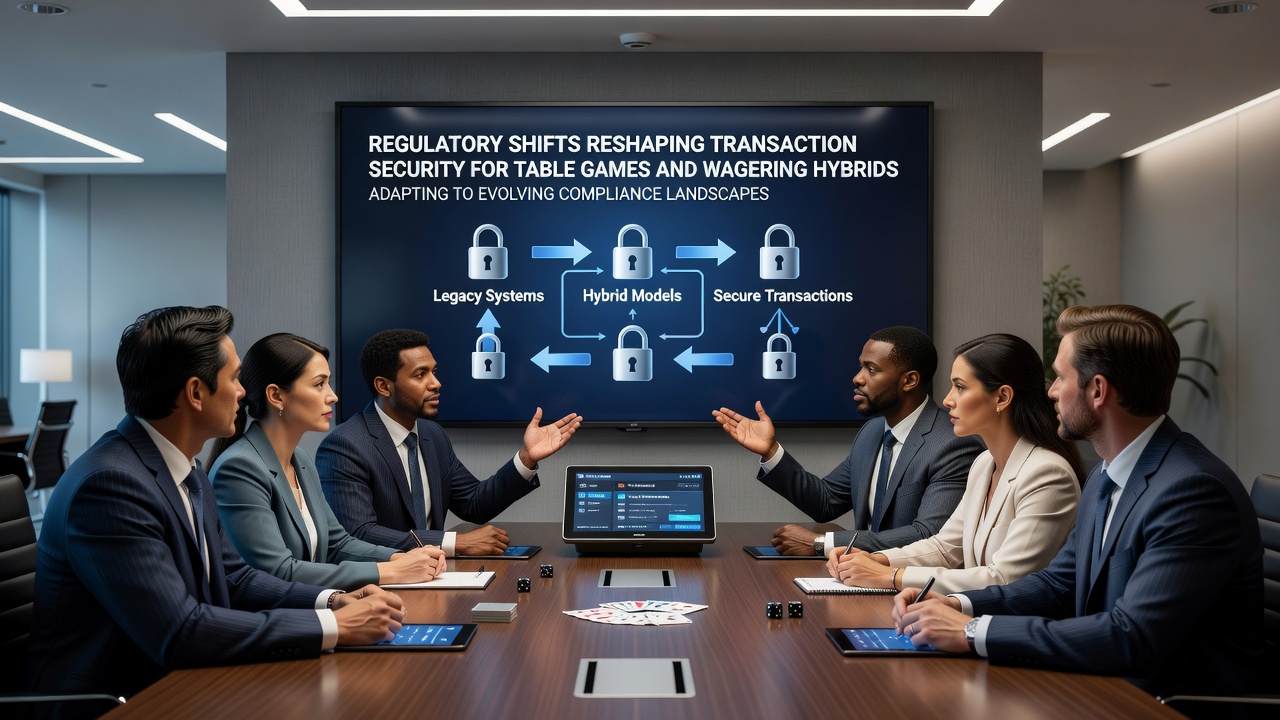
Wagering hybrids combine elements of table games with sports or event betting, and recent rules require unified audit trails that capture both the gaming outcome and the associated financial movement in a single record. Figures from the American Gaming Association reveal that states adopting these hybrid models reported a 40 percent increase in monitored transactions during the first year of operation, which directly correlates with the rollout of automated compliance checks.
According to guidance issued by the Nevada Gaming Control Board, operators must now conduct periodic penetration testing on hybrid platforms and share summary findings with regulators within defined windows, while Australian state authorities have introduced parallel requirements that emphasize consumer fund segregation in mixed gaming accounts. This geographic variation means global operators maintain separate compliance matrices rather than a single universal standard.
Technology Adaptations and Industry Responses
Blockchain-based settlement tools have gained traction because they provide immutable logs that satisfy both gaming regulators and financial oversight bodies, and several pilot programs launched in 2025 demonstrated reduced reconciliation times for table game payouts. Those who have reviewed the case studies note that early adopters achieved faster dispute resolution when transaction histories remained accessible through distributed ledgers rather than centralized databases alone.
Yet the transition has required staff training programs focused on new verification interfaces, and data shows that facilities investing in these programs experienced fewer compliance incidents during the initial rollout phase. What's interesting is how smaller operators have formed consortiums to share technology costs, since individual implementation of advanced monitoring can exceed budgets available to regional venues.
Conclusion
Regulatory shifts continue to redefine transaction security standards for table games and wagering hybrids by demanding tighter integration between payment systems and game management platforms, and operators who align early with the September 2026 milestones position themselves for smoother audits across jurisdictions. Evidence suggests that continued collaboration between gaming commissions, financial regulators and technology providers will shape the next phase of these requirements, creating a framework where security measures support rather than hinder the hybrid gaming experience.